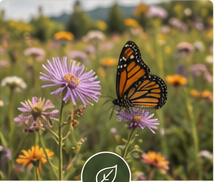
The Benefits of Living Closer to Nature
Modern life often keeps us indoors, surrounded by screens, schedules, and constant distractions. Yet many people find that spending more time near natural environments helps them feel calmer, healthier, and more connected.
Whether it's a rural setting, a neighborhood park, or a backyard garden, proximity to nature can encourage physical activity, reduce stress, and provide opportunities for reflection. Even small daily interactions with the natural world can have meaningful benefits.
Living closer to nature isn't necessarily about location—it's about creating opportunities to engage with the world beyond our walls.
Why Gardening Continues to Grow in Popularity
Gardening offers something increasingly rare in modern life: the chance to slow down and participate in a process that unfolds naturally over time.
People garden for many reasons. Some enjoy growing food, while others appreciate the beauty of flowers and landscapes. Many find the activity itself rewarding, providing a sense of accomplishment and connection to the seasons.
As interest in sustainability and well-being continues to grow, gardening remains one of the simplest ways to reconnect with nature and experience the satisfaction of creating something with your own hands.
Simple Habits That Reduce Stress
Life often feels complicated, but stress relief doesn't always require dramatic changes.
Simple habits such as taking daily walks, limiting distractions, spending time outdoors, practicing gratitude, and prioritizing rest can have a meaningful impact on overall well-being. Small actions performed consistently often produce lasting results.
The goal isn't perfection. It's creating a few healthy routines that help bring balance, perspective, and calm to everyday life.
What We Can Learn From Rural Communities
Rural communities have long emphasized values such as self-reliance, cooperation, and connection to place.
While lifestyles vary widely, many rural traditions encourage a slower pace, stronger community ties, and a deeper awareness of the natural environment. These values continue to resonate in an increasingly fast-moving world.
There is much to learn from communities that place importance on relationships, shared experiences, and an appreciation for simple pleasures.
The Joy of Seasonal Living
Nature changes throughout the year, and for much of human history daily life changed with it.
Seasonal living involves paying attention to those natural rhythms—celebrating seasonal foods, outdoor activities, traditions, and changes in the environment. It encourages people to become more aware of the passage of time and the uniqueness of each season.
Rather than rushing through the year, seasonal living invites us to appreciate what each season has to offer.
How Outdoor Time Improves Mental Health
Spending time outdoors has been linked to numerous mental health benefits, including reduced stress, improved mood, and greater feelings of well-being.
Natural environments provide a break from many of the demands of modern life. They encourage movement, reflection, and a sense of perspective that can be difficult to find indoors.
Whether it's a walk through a local park or a weekend spent exploring trails, outdoor experiences often leave people feeling more refreshed and balanced.
Creating Space for a Slower Pace of Life
Modern culture often rewards speed, productivity, and constant activity. Yet many people are discovering the value of slowing down.
Creating space for a slower pace of life doesn't mean abandoning ambition or responsibility. Instead, it means being more intentional about how time is spent and prioritizing what truly matters.
A slower pace can create opportunities for deeper relationships, greater presence, and a more meaningful connection to everyday experiences.
Why Simplicity Often Leads to Greater Happiness
Many of life's most meaningful experiences are surprisingly simple.
Time spent with loved ones, a walk outdoors, a good conversation, or a quiet morning can often provide more lasting satisfaction than the constant pursuit of more possessions or greater complexity.
Simplicity encourages focus. By removing unnecessary distractions, people often find it easier to appreciate what already exists in their lives.
Rediscovering Everyday Traditions
Traditions help connect us to family, community, and the passage of time.
Some traditions are celebrated annually, while others exist in small daily rituals that bring comfort and familiarity. Preparing a favorite recipe, gathering with loved ones, or spending time outdoors can all become meaningful traditions.
In a rapidly changing world, these practices provide continuity and remind us of what matters most.
Finding Beauty in Ordinary Moments
Not every meaningful experience is dramatic or extraordinary.
Many of life's most memorable moments occur during everyday activities—a sunrise, a shared meal, a quiet conversation, or a peaceful walk. These experiences often become meaningful because of how they make us feel rather than how impressive they appear.
Learning to notice beauty in ordinary moments can change the way we experience life. It encourages gratitude, presence, and a deeper appreciation for the world around us.