The Most Intelligent Animals in the Wild
Intelligence takes many forms in the natural world. While humans often measure intelligence through language and problem-solving, animals demonstrate remarkable abilities that help them survive and thrive.
Dolphins use sophisticated communication, crows can solve complex puzzles, and elephants display impressive memory and social awareness. Some species even use tools, cooperate in groups, and adapt their behavior to changing circumstances.
The more scientists study animal intelligence, the more they discover that many creatures possess abilities once thought to be uniquely human. These discoveries continue to reshape our understanding of life on Earth.
How Wolves Help Shape Entire Ecosystems
Wolves are often viewed as predators, but their influence extends far beyond hunting.
By helping regulate populations of deer and other herbivores, wolves indirectly affect vegetation, waterways, and countless other species. Their presence can influence where animals graze, allowing forests and plant communities to recover and thrive.
This phenomenon demonstrates how a single species can help maintain balance across an entire ecosystem. Wolves remind us that every species plays a role in the larger web of life.
The Secret Lives of River Otters
River otters are among the most playful animals in the wild, often seen sliding down muddy banks, swimming gracefully through rivers, and engaging in social behavior.
Beyond their playful reputation, otters are skilled hunters and important indicators of ecosystem health. They rely on clean waterways and abundant fish populations, making them valuable symbols of healthy aquatic habitats.
Their curiosity, agility, and social nature have made them favorites among wildlife enthusiasts around the world.
Birds That Travel Thousands of Miles Each Year
Every year, billions of birds embark on extraordinary migrations that span continents and oceans.
Some species travel thousands of miles between breeding and wintering grounds, navigating using the sun, stars, Earth's magnetic field, and environmental cues. Their journeys often involve incredible endurance and precision.
Migration is one of nature's most remarkable phenomena, demonstrating both the resilience of wildlife and the interconnectedness of ecosystems across the globe.
Why Beavers Are Nature's Engineers
Few animals reshape their environment as dramatically as beavers.
Using branches, mud, and instinctive engineering skills, beavers build dams that create ponds and wetlands. These habitats provide shelter for countless species, improve water retention, and increase biodiversity.
Because of their ability to transform landscapes in beneficial ways, beavers are often referred to as ecosystem engineers. Their work demonstrates how one species can create opportunities for many others.
The World's Most Unusual Animal Adaptations
Nature is filled with creatures that have evolved extraordinary solutions to survive in challenging environments.
Some animals can camouflage themselves so effectively they become nearly invisible. Others generate light, survive freezing temperatures, or detect electrical signals in the water around them.
These adaptations reflect millions of years of evolution and highlight the incredible diversity of life on Earth. Each species offers a glimpse into the endless creativity of nature.
Animals That Thrive in Extreme Environments
From scorching deserts to frozen polar regions, life has found ways to survive in some of the harshest conditions on the planet.
Certain animals conserve water with remarkable efficiency, while others possess specialized insulation or unique biological processes that allow them to withstand extreme temperatures.
Their survival demonstrates the resilience of life and the remarkable ways species adapt to the environments they call home.
How Pollinators Help Sustain Life on Earth
Pollinators play a critical role in maintaining healthy ecosystems and food systems.
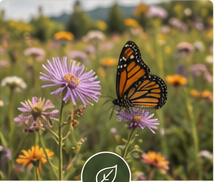
Bees, butterflies, birds, bats, and other pollinators help plants reproduce by transferring pollen between flowers. This process supports countless plant species and contributes to the production of many fruits, vegetables, and seeds.
Without pollinators, ecosystems would look dramatically different. Their work supports biodiversity, agriculture, and the natural landscapes we depend upon every day.
The Hidden World Beneath Forest Floors
Beneath every forest lies an intricate network of life that most people never see.
Roots, fungi, insects, microorganisms, and countless other organisms interact beneath the surface, exchanging nutrients and supporting plant growth. Some scientists even refer to underground fungal networks as nature's communication system.
This hidden ecosystem helps forests remain healthy, resilient, and productive. What appears to be a quiet forest floor is actually one of the most active environments in nature.
Wildlife Success Stories That Inspire Hope
Conservation efforts around the world have demonstrated that positive change is possible.
Species once facing severe population declines have recovered thanks to habitat restoration, protective legislation, scientific research, and public awareness. From birds of prey to large mammals, many wildlife populations have rebounded when given the opportunity.
These success stories remind us that conservation works. While challenges remain, they offer hope that people and wildlife can coexist and thrive together when thoughtful action is taken.